Allurion Balloon vs. Ozempic: Which Is Right for You? (2026)
If you have been looking into weight loss in 2026, you have almost certainly heard two names: Ozempic and the Allurion Balloon. One is a weekly injection that has dominated headlines for years. The other is a swallowable gastric balloon that received U.S. FDA approval on February 23, 2026, opening the door to roughly 80 million American adults living with obesity.
Patients ask me this question almost every day in my Piedras Negras clinic, just 15 minutes from Eagle Pass, Texas: «Doctor, should I try Ozempic or the Allurion Balloon?» The honest answer is that they are very different tools, and the right choice depends on your goals, your budget, and how comfortable you are with long-term medication. Let’s walk through what the latest evidence actually says.
How the Allurion Balloon and Ozempic Actually Work
The Allurion Balloon is a soft, swallowable capsule that contains a deflated balloon attached to a thin catheter. During a 15-minute outpatient visit, you swallow the capsule with a sip of water. Once it reaches your stomach, we fill it with about 550 ml of liquid, remove the catheter, and you go home. There is no surgery, no endoscopy, and no anesthesia. After roughly four months, the balloon opens on its own, deflates, and passes naturally through your digestive system.
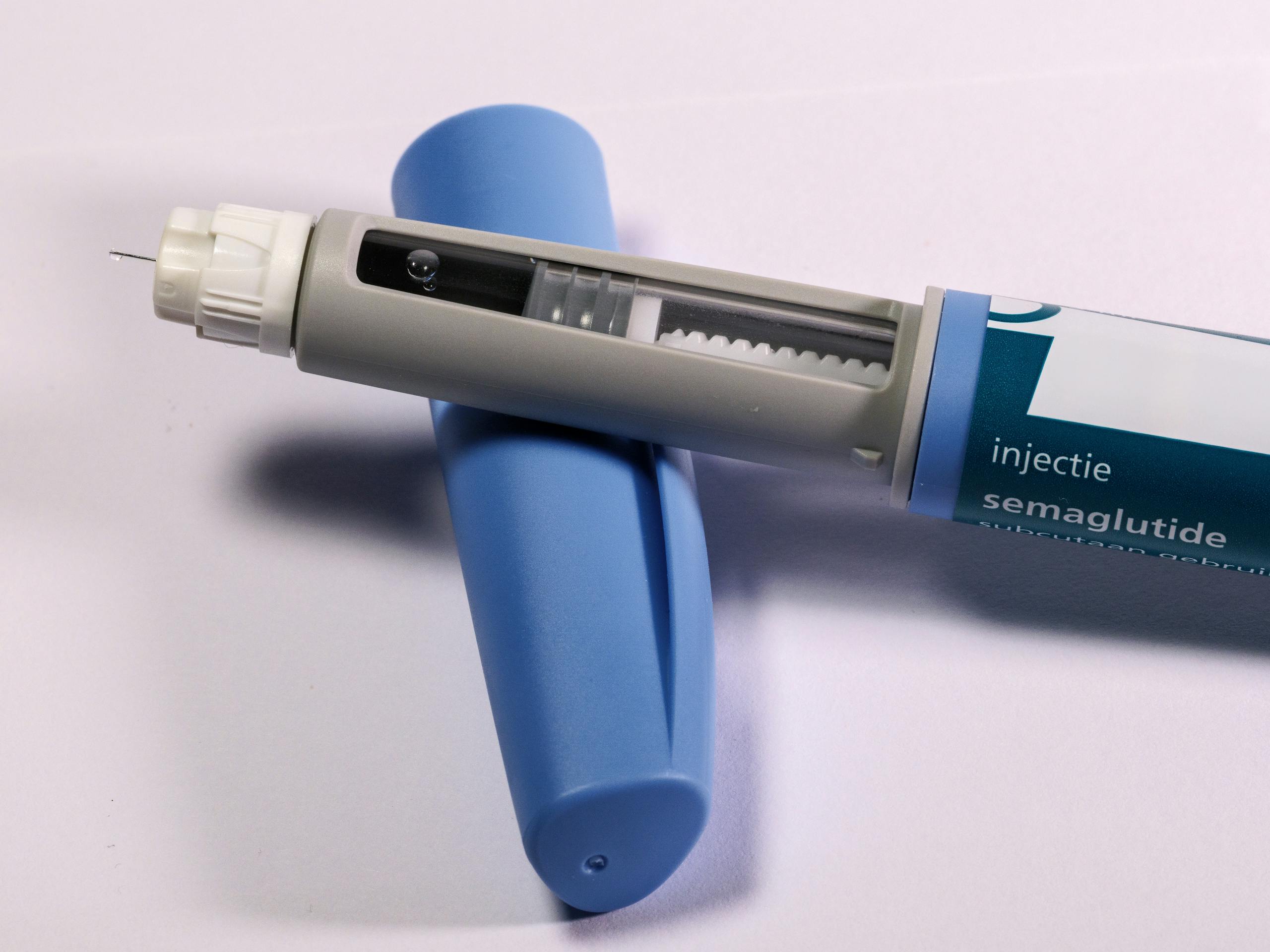
Ozempic (semaglutide) is a once-weekly injection in the GLP-1 receptor agonist family. It mimics a natural hormone that signals fullness to your brain, slows down stomach emptying, and reduces appetite. Wegovy is the higher-dose version specifically approved for weight loss. These medications are designed to be taken long-term, often for years.
Allurion Balloon vs. Ozempic: A Side-by-Side Comparison
Here is how the two options stack up on the factors my patients ask about most:
Weight Loss Results
In Allurion’s pivotal AUDACITY trial, 58% of patients lost more than 5% of their total body weight at 48 weeks. International real-world data with Allurion’s Virtual Care Suite shows around 14% total body weight loss after one balloon cycle and over 20% after two cycles. Ozempic and Wegovy studies suggest comparable totals — roughly 12% to 15% of body weight — but typically over 12 to 16 months of continuous weekly injections.
Sustainability After Stopping Treatment
This is where the two paths really diverge. Studies suggest that approximately 96% of weight lost with the Allurion Balloon is maintained one year after the balloon passes — provided patients use the four-month treatment window to build new eating and movement habits with the support of the Virtual Care team.
Research on GLP-1 medications, in contrast, indicates that most patients regain a significant portion of lost weight within a year of stopping the injections. Long-term GLP-1 use is essentially a lifelong commitment for many people.
Cost: Allurion in Mexico vs. Ozempic in the U.S.
For patients crossing from Texas, cost is often the deciding factor:
- Allurion Balloon in the U.S.: typically $8,000–$15,000+ per cycle
- Allurion Balloon in Piedras Negras, Mexico: typically $3,500–$5,500 USD, including placement, the Virtual Care Suite, and follow-up
- Ozempic / Wegovy in the U.S. without insurance: roughly $1,000–$1,400 per month, or $12,000–$16,000+ per year
If you are paying out of pocket, one Allurion cycle in Mexico can cost less than four to six months of brand-name GLP-1 injections in the United States — and the weight loss potential at the end of those four months is often comparable.
Side Effects and Safety
With the Allurion Balloon, most side effects show up in the first 3 to 7 days as your stomach adjusts: nausea, cramping, reflux, and a feeling of heaviness. We manage these with anti-nausea medication and a gradual diet protocol. Serious complications such as early deflation, gastric ulcers, or bowel obstruction are rare but possible, which is why proper screening and follow-up matter.
With Ozempic and other GLP-1s, nausea, diarrhea, constipation, and reflux are also common, but they can persist throughout treatment rather than resolving in the first week. Rare but serious risks reported in research include pancreatitis, gallbladder disease, and certain thyroid concerns. These are reasons to discuss your full medical history with a physician before starting.
Convenience and Lifestyle Fit
The Allurion Balloon is essentially a «set it and forget it» 16-week program: one short visit to place it, one short visit (or natural passing) at the end, and a smart scale plus app coaching in between. Ozempic requires a weekly self-injection, regular pharmacy refills, and ongoing medical follow-up — for as long as you want to keep the weight off.
Who Is the Allurion Balloon a Good Fit For?
The FDA approved the Allurion Balloon for adults aged 22 to 65 with a BMI between 30 and 40 who have tried at least one weight loss program without lasting success. In my practice, I find it works especially well for:
- Patients who want significant weight loss but are not ready for gastric sleeve or gastric bypass
- Patients who cannot or do not want to be on weekly GLP-1 injections indefinitely
- Patients who have responded to GLP-1s but want a «next step» or «habit reset» without the monthly cost
- Texas and U.S. patients looking for an FDA-approved option at a much lower price point in Mexico
It is not the right fit for everyone. Patients with prior stomach surgery, certain GI conditions, severe reflux, or a BMI above 40 are usually better candidates for gastric sleeve or gastric bypass, both of which I also perform.
Why So Many U.S. Patients Choose Mexico for the Allurion Balloon
Piedras Negras sits directly across the border from Eagle Pass, Texas, which makes it a practical choice for patients from San Antonio, Austin, Dallas, Houston, and beyond. Three reasons patients consistently mention:
- Same FDA-approved Allurion device — the technology is identical to what is offered in U.S. clinics.
- Cost savings of 50% or more — typically thousands of dollars, even after travel.
- Same-day procedure — many patients cross in the morning and are back home in Texas by evening.
If you are weighing your options, the most helpful next step is a personalized assessment. Book your free consultation here and we will review your medical history, BMI, and goals to tell you honestly whether the Allurion Balloon, a GLP-1, or a different bariatric option is the best fit for you.
Frequently Asked Questions
Is the Allurion Balloon better than Ozempic?
Neither is universally «better» — they are different tools. Research indicates that the Allurion Balloon delivers comparable total body weight loss to GLP-1 medications in a much shorter window (about 16 weeks), with a higher percentage of weight loss maintained after treatment ends. Ozempic may be a better fit for patients who want a non-procedural, ongoing approach. A consultation is the best way to choose.
Can I use the Allurion Balloon if I already take Ozempic or Wegovy?
Many patients do combine or transition between the two. Some use the Allurion Balloon as a structured «reset» after stopping a GLP-1 to lock in their results and rebuild habits. We review your full medication list during your consultation to plan the safest path.
How much does the Allurion Balloon cost in Mexico?
At my clinic in Piedras Negras, the Allurion Balloon program typically ranges from $3,500 to $5,500 USD, depending on the package. This includes placement, the Virtual Care Suite, smart scale, and follow-up visits. Compare that to $8,000–$15,000+ for the same balloon in the United States.
Is the Allurion Balloon safe?
The Allurion Balloon received FDA approval in February 2026 after pivotal trial data showed a favorable safety profile and meaningful weight loss. Common side effects (nausea, cramping, reflux) usually resolve within the first week. Serious complications are rare but possible, which is why a thorough medical screening with a qualified bariatric surgeon is essential.
How quickly can I cross from Texas to Piedras Negras for the procedure?
Piedras Negras is about 15 minutes from Eagle Pass, Texas. Many of our U.S. patients cross in the morning, complete the 15-minute placement visit, rest briefly, and return home the same day. Our team helps coordinate logistics so the trip is straightforward.
Medical disclaimer: This article is for educational purposes only and does not replace professional medical advice. Individual results vary, and no surgical or medical treatment guarantees a specific outcome. Always consult a qualified physician before starting any weight loss program.

Dr. Cristóbal Garza
Soy un cirujano bariatra certificado por el Colegio Mexicano de Cirugía para la Obesidad. En los últimos 10 años he ayudado a más de 3500 pacientes a superar su obesidad y tener una vida más feliz y saludable.