Transit Bipartition & Type 2 Diabetes Remission
If you live with type 2 diabetes and obesity, you have probably heard that some weight-loss surgeries can do far more than help you lose weight — they can put diabetes into remission. I’m Dr. Cristóbal Garza, a bariatric and metabolic surgeon in Piedras Negras, Coahuila, just 15 minutes from Eagle Pass, Texas. In this article I want to explain, in plain language but grounded in the science, one of the most promising metabolic surgeries available today: transit bipartition, and what the research tells us about its effect on type 2 diabetes remission.
What is transit bipartition?
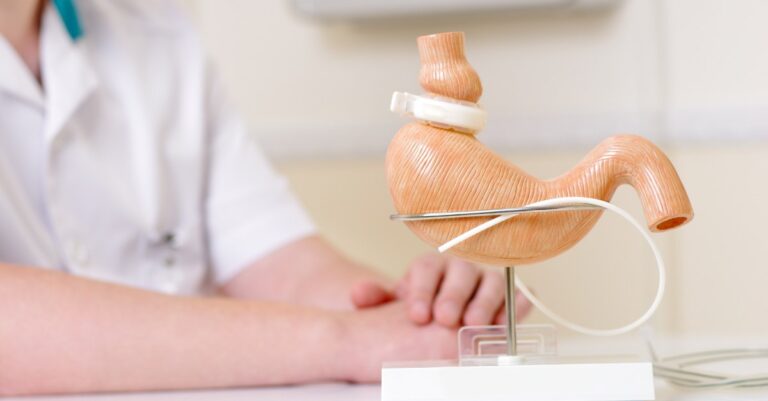
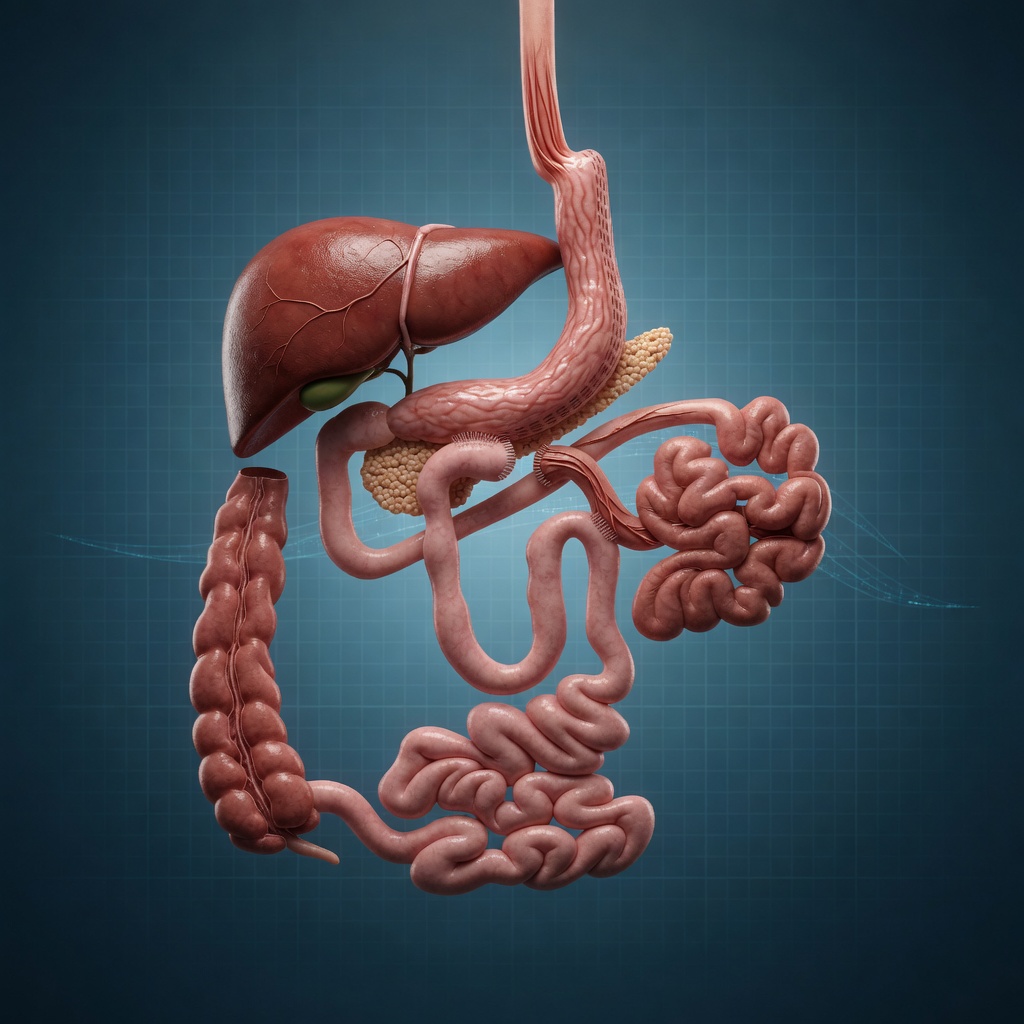
Transitional bipartition (often written as sleeve gastrectomy with transit bipartition, or SG-TB) is a metabolic surgery first described by Dr. Sergio Santoro and colleagues in Brazil, with the laparoscopic technique published around 2012. It combines two ideas in a single operation: a sleeve gastrectomy, which reduces the size of the stomach, and a «bipartition,» which reroutes part of the food stream directly to the last portion of the small intestine.
In practical terms, after the sleeve is created, the surgeon connects the lower part of the stomach to the ileum (the final segment of the small intestine). This leaves the stomach with two exits: one that follows the normal path through the duodenum, and one that sends food on a shortcut to the ileum. Most of the food preferentially takes the shortcut, while a portion still travels the natural route.
Why preserving the duodenum matters
This is one of the features that makes transit bipartition stand out. Unlike older procedures such as the biliopancreatic diversion with duodenal switch, which completely exclude the duodenum, transit bipartition Keeps the duodenum in the food stream. Research suggests this design helps in two important ways: it tends to minimize the malabsorption and nutritional deficiencies associated with more aggressive bypass operations, and it preserves endoscopic access to the duodenum and the bile ducts — which can matter years later if you ever need a gastroscopy or a procedure on the bile duct.
In other words, the operation aims to capture much of the powerful metabolic effect seen with bypass surgeries while reducing some of their long-term nutritional trade-offs. As with any procedure, this balance is something we evaluate carefully for each patient.
How transit bipartition affects type 2 diabetes
To understand why this surgery influences diabetes, it helps to know the «foregut–hindgut» idea that researchers use to explain metabolic surgery. The theory suggests that a modern diet high in refined, high-glycemic foods overstimulates the upper gut (the foregut) and understimulates the lower gut (the hindgut), contributing to the hormonal imbalance behind metabolic syndrome and type 2 diabetes.
The incretin effect
By delivering food more quickly to the ileum, transit bipartition stimulates the lower gut to release hormones called creatures — most notably GLP-1 (glucagon-like peptide-1) and PYY. These are the same hormone pathways targeted by today’s popular diabetes and weight-loss medications. Studies indicate that after this type of rerouting, the body’s postprandial (after-meal) GLP-1 and PYY rise substantially, which is associated with better insulin secretion, improved insulin sensitivity, and reduced appetite. Importantly, much of this metabolic benefit appears to happen relatively quickly and partly independently of weight loss — one reason metabolic surgery is taken so seriously as a diabetes treatment, not just a weight treatment.
What does the research say about diabetes remission?
The published evidence on transit bipartition and type 2 diabetes is encouraging, though it is important to read it with realistic expectations. Across several studies, reported type 2 diabetes remission rates after sleeve gastrectomy with transit bipartition have been high — often cited in the range of roughly 80% to 98%, depending on how remission is defined and how long patients are followed.
- In one of the larger series, a study of 355 patients found that about 79% maintained complete remission of type 2 diabetes at two years, with benefits seen regardless of how long or how severe their diabetes had been before surgery.
- A comparative study reported diabetes remission in approximately 90% of the transit bipartition patients versus 88% of the duodenal switch patients at one year — comparable results, but with the duodenum-preserving advantages of bipartition.
- A three-year follow-up analysis reported diabetes remission in about 84% of the patients.
I want to be candid here: «remission» does not mean a guaranteed cure, and results vary from person to person. Factors such as how long you have had diabetes, your insulin use, your pancreatic function, and your commitment to follow-up all influence the outcome. Some people achieve complete remission; others see a major improvement that still requires less medication. This is exactly why an individualized evaluation matters.
Who might be a candidate?
Transverse bariatric surgery is generally considered for adults with obesity and type 2 diabetes, particularly those whose diabetes has been difficult to control or who are looking for a strong metabolic effect. It may also be discussed for patients who have already had a sleeve gastrectomy and need a «second stage» to improve weight loss or diabetes control. As always, candidacy depends on a full medical evaluation — your BMI, your diabetes history, your nutritional status, and your overall health.
If you would like to know whether you are a candidate, you can schedule your free consultation here.
A team approach, not just an operation
Obesity and type 2 diabetes are diseases, not a lack of willpower, and they deserve serious, respectful care. A successful outcome is never just about the surgery itself. In our practice, the operation is one part of a multidisciplinary process that includes a nutritionist, who helps you build sustainable eating habits, and a psychologist, who supports the behavioral side of change. Lifelong vitamin and mineral monitoring, and regular follow-up, are part of staying healthy after any metabolic procedure. Lasting results come from this teamwork — surgeon, nutritionist, psychologist, and you, walking the path together.
Take the next step
If you live with obesity and type 2 diabetes and want to understand whether transit bipartition could be right for you, I would be glad to guide you with clear, honest information. Schedule your free consultation at our office in the Clínica de Especialistas, office 302, in Piedras Negras, Coahuila — an easy crossing from Eagle Pass, Texas — or message me directly on WhatsApp at +52 878 115 7532. Let’s take the first step with the right information on your side. ????
???? Schedule your free consultation here
Frequently asked questions about transit bipartition
Is transitting with two stomachs better than gastric bypass for diabetes?
Both are highly effective metabolic operations, and studies report comparable type 2 diabetes remission rates. The main distinction of Transit bipartition is that it preserves the duodenum, which research suggests may reduce certain nutritional deficiencies and maintains endoscopic access to the upper digestive tract. The best choice depends on your individual case and should be decided with your surgeon.
How quickly can diabetes improve after surgery?
Many patients notice improvement in blood sugar control within days to weeks, before significant weight loss occurs. Research attributes this early effect partly to changes in gut hormones such as GLP-1. The timeline and degree of improvement vary from person to person.
Does diabetes remission mean I am cured?
Not exactly. Remission means that blood sugar levels return to a healthy range, often without medication, but it is not a guaranteed permanent cure. Diabetes can return, especially with significant weight regain. Ongoing follow-up and healthy habits are essential to maintain the benefit.
What are the nutritional risks of transit bipartition?
Because part of the food stream is rerouted, there is still some risk of vitamin and mineral deficiencies, so lifelong supplementation and monitoring are recommended. Studies suggest that preserving the duodenum may lower this risk compared with operations that exclude it, but regular follow-up remains important.
Why have metabolic surgery in Mexico?
Patients from Texas and across the U.S. often choose Piedras Negras for high-quality bariatric and metabolic care at a fraction of U.S. costs, with the convenience of being just 15 minutes from Eagle Pass. However, the most important factors are the surgical team’s training and the quality of follow-up care—not just the price alone.
Medical disclaimer: This content is for informational and educational purposes only and does not replace a medical consultation. Surgical results vary from person to person, and no outcome can be guaranteed. To find out whether transit bipartition or another treatment is right for you, please schedule an evaluation with a qualified physician.

Dr. Cristobal Garza
I am a bariatric surgeon certified by the Mexican College of Obesity Surgery. Over the last 10 years, I have helped more than 3,500 patients overcome their obesity and live a happier, healthier life.