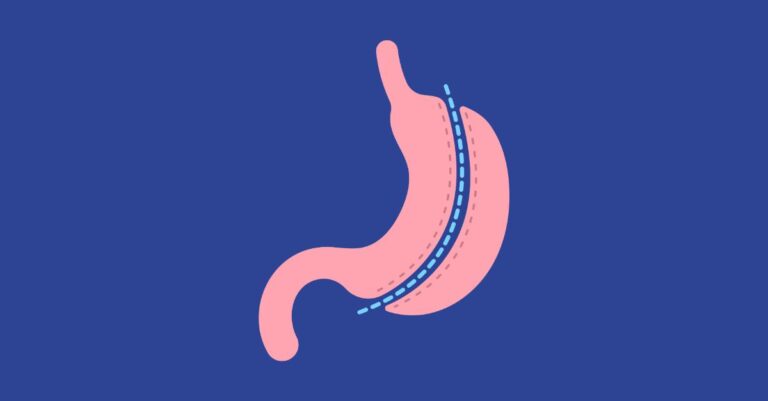
What are the normal symptoms after a gastric sleeve?
There are many symptoms that are 100% normal after a gastric sleeve operation.. After all, although it is a very safe procedure, it is still a surgical procedure, so there will be some discomfort and sensations that may occur after having a gastric sleeve procedure performed.
We tell you what are some of the symptoms that a gastric sleeve patient might usually experience.
Normal symptoms in the first hours after surgery
During the first 36 hours after gastric sleeve surgery, it is normal to experience some of these symptoms:
1. Nausea and/or vomiting
Many patients feel nausea after the procedure. gastric sleeve, It is common, since anesthesia and the surgery itself (which directly manipulates sections of the digestive system) can cause them.
Naturally, the patient's digestive system will have to adapt to the changes in the gastric sleeve. But once it does, the nausea will gradually disappear.
In addition to the nausea, the patient is also likely to vomit. Although vomiting is unpleasant, it does not cause any problems or involve any risks for the recovering patient.
2. Dizziness
As with nausea, dizziness is also a natural consequence of the general anesthesia used for the procedure; it also happens because the patient spends a lot of time lying down during the procedure.
Therefore, it is recommended that they walk for a short time after the surgery, as getting up will reduce the sensation of dizziness or vertigo.
3. Pain
Although gastric sleeve surgery is a minimally invasive procedure, it is still surgery, so it is normal for it to cause some pain in the patient, especially at the beginning. Generally, it is a mild discomfort and can be managed this way with specific medications.
In many cases, the patient will not experience pain but only discomfort. And the symptoms will not worsen because the patient will already be receiving treatment for it.
Since this is a consequence of the surgery itself, as the patient recovers, the pain and discomfort associated with it will gradually disappear.
4. Pressure in the chest
The feeling of pressure is caused by the changes that surgery itself causes in the patient’s body; after all, the dimensions of the patient’s stomach change drastically within a few hours. A smaller stomach will feel fuller, as if it had a lot of gas at first, but these symptoms last only briefly.
5. Dryness in the mouth
The patient cannot drink water before and after the procedure, so it is normal for the mouth to become dry. Of course, this is a temporary inconvenience that disappears when the patient is able to drink water again.
6. Headache
Experiencing headaches after gastric sleeve surgery (or any other type of surgery) is completely normal, considering that the body undergoes a lot of stress.
If this is added to the fact that the patient cannot ingest anything, it is more common for the body to become malnourished due to a lack of food and fluids (even if they are already receiving IV fluids).
Normal symptoms from the first week to 3 months after surgery
Between one and three months after gastric sleeve surgery, it is normal for a patient to experience some of the following symptoms:
1. Fatigue
With the changes that a gastric sleeve procedure makes to the digestive system, it is common for patients to feel fatigue or lack of energy. However, the feeling becomes less intense as the patient recovers.
2. Gastroesophageal reflux
Reflux is a common side effect in patients with gastric sleeve surgery. Fortunately, after a few months it usually goes away on its own. In the case of gastroesophageal reflux, the bariatric It may indicate treatment to relieve the symptoms.
3. Constipation
Another common symptom months after gastric sleeve surgery is constipation, which is normal because after the surgery the patient follows a very different diet from what they had previously. In addition to that, the body is still not fully accustomed to the changes in the digestive system, which will cause constipation.
Although constipation is normal during the first few days after gastric sleeve surgery, when the patient follows a standard diet, the constipation should disappear. If it does not, the bariatra may indicate treatment to relieve intestinal constipation.
Normal symptoms 4 months after a gastric sleeve
After 4 months with a gastric sleeve, it is normal for a patient to experience several of these symptoms:
1. Gastroesophageal reflux
Reflux can be a normal symptom even 4 months after gastric sleeve surgery. In any case, after so much time, the severity of this symptom decreases quite a bit. Conveniently, the more excess weight the patient loses, the less reflux they will experience.
2. Intolerance to certain foods
A gastric sleeve patient may develop intolerance to certain foods. Intolerance does not mean that the body cannot digest them, but the patient may experience discomfort, as if the food itself were not well-tolerated. In any case, this disappears over time and is easily resolved temporarily by replacing the food that causes discomfort with another.
3. Dysgeusia
Dysgeusia is when the taste of a food is perceived in an altered way; this is a common symptom in patients with gastric sleeve surgery. It occurs mainly with certain carbohydrates. However, dysgeusia is not a cause for concern and is not a permanent problem.
4. Hair loss
Hair loss is a common symptom after a gastric sleeve operation; it occurs primarily due to the patient’s nutrient deficiency, as they go from eating a lot of food daily to eating much less after a gastric sleeve operation.
There is nothing to worry about; hair loss is a temporary problem, and it completely stops between 3 and 6 months after gastric sleeve surgery. That is assuming the patient adheres to their bariatra’s instructions.
Any gastric sleeve patient may experience some of these symptoms after their surgery. Fortunately, none of them are serious and are part of the recovery process and the path towards ideal weight.
The key, as always, is for the patient to closely follow their bariatra’s instructions, and to keep them informed of any new developments to prevent health incidents.
If you are thinking of permanently solving your overweight problems, but you don't know where to start, Contact our team and we'll show you how we can help you regain your health and return to your ideal weight..

Dr. Cristobal Garza
I am a bariatric surgeon certified by the Mexican College of Obesity Surgery. Over the last 10 years, I have helped more than 3,500 patients overcome their obesity and live a happier, healthier life.