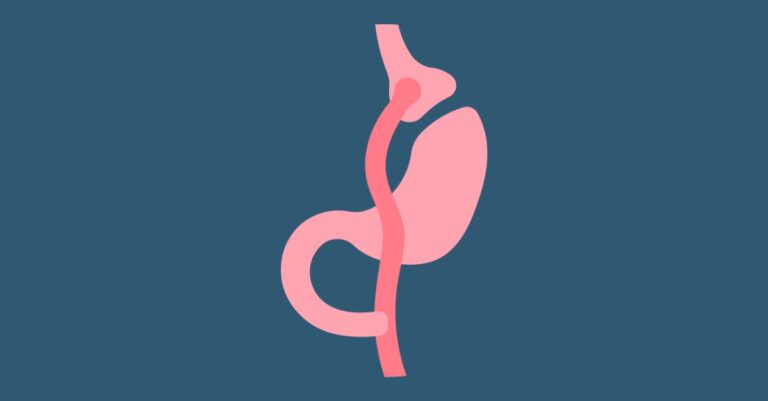
Complications of the gastric sleeve: everything you need to know about the risks of this bariatric surgery
Do you worry about risks of gastric sleeve and the possible complications you might have to face if you undergo this operation?
In this post, we will tell you everything you need to know about the complications of gastric sleeve surgery and the risks associated with this procedure.
Although the gastric sleeve It is one of the safest and least invasive bariatric surgeries available; it has a number of risks that are worth considering. Let’s talk about them.
You may be interested in: Pros and cons of the gastric sleeve
Complications of the gastric sleeve during the operation
With the gastric sleeve, there are not many complications that may occur during surgery, because it is not such a complex operation as, for example, the gastric bypass.
However, the complications that can occur are mainly caused by the inexperience of the bariatric surgeon performing the procedure, the patient's health conditions, and, in rare cases, by an adverse reaction to the procedure or anesthesia.
Among the main complications that may occur during the operation are:
- Excessive bleeding
- Adverse reaction to anesthesia
- Formation of blood clots
- Leaks from the cut section of the stomach
- Respiratory complications
All of these complications can occur during the procedure, although they are quite unlikely to occur, especially if it is performed by a qualified specialist and if the patient has the recommended health conditions.

Risks of the gastric sleeve after the operation
After the operation, the gastric sleeve presents some risks that are worth considering. These are potential risks that are present both in the short and long term.
Let's see what some of them are:
Short-term risks of gastric sleeve surgery
The gastric sleeve has some short-term risks, which are complications that may occur during the procedure, a few hours after the operation and up to several days afterwards.
Escape or gastrointestinal fistula
Gastrointestinal fistula or leakage is the most serious risk posed by the gastric sleeve, it is a rupture in the gastric tube that prevents gastric fluids from being absorbed. Literally, it is a leakage of the gastric fluid that is in the stomach.
As you can imagine, this is a rather delicate problem; the main symptoms are hematomas in the area where you were operated on, pain, swelling, diarrhea, and even the secretion of fluid in the surgical wounds.
Leaks can be identified immediately by the surgeon in the middle of the surgery. If they are not detected during the procedure, the symptoms of the leak will appear within the first 48 or 72 hours.
However, the probability of suffering a leakage in a specialized center with a good bariatra surgeon is less than 0.5% in many cases.
So it is very unlikely that a leak will occur.
Bleeding in the intestine
This bleeding can occur during the operation and a few hours later, it is caused by the surgical intervention itself, and around 1.2% of patients may suffer from it.
If there is no bleeding in the first few hours after the operation, there are no longer any risks of experiencing bleeding.
In any case, a good surgeon will carefully examine each suture point and ensure that no bleeding occurs.
Long-term risks of gastric sleeve surgery
The risks of gastric sleeve In the long term, months or even years can be observed after the surgery; they may present as mild discomforts, for example, abdominal discomfort or esophageal reflux.
Other types of complications are also likely to occur, such as malnutrition or hypoglycemia (low blood sugar level).
These are some of the main risks and complications of gastric sleeve surgery in the long term:
Weight gain due to stomach dilation
This is the most worrying risk for patients.
After a few months (or a couple of years) of gastric sleeve surgery, there is a possibility that the stomach will expand and become wider, which means that the patient could regain weight.
These types of problems occur, especially in those patients who do not adhere to the instructions of their bariatric surgeon.
Gastrointestinal obstruction
Gastrointestinal obstruction can occur during the operation, especially if it is not performed properly.
This type of problem is difficult to detect and its symptoms may take time to appear. In fact, the most common symptoms can be mistaken for the effects of gastric sleeve surgery and conventional post-operative discomforts, such as lack of appetite, bloating, colic-like pain, and constipation.
Development of hernias
After a gastric sleeve operation, there is a slight risk of developing hernias.
The main hernia that can develop after a gastric sleeve operation is the hiatus hernia, which is an area of bulging in the opening of the diaphragm.
When there is a hernia in the diaphragm, the patient is very likely to suffer from acid reflux. In addition, they will experience a lot of pressure in the abdominal area.
In mild cases (the most common), this type of hernia does not require surgical intervention; it can be treated with exercise and medications prescribed by a bariatric surgeon.
For more severe cases, surgical intervention may be required.
Heartburn
Heartburn is another condition that a gastric sleeve patient could experience after the operation.
This reflux can be caused by both hiatal hernias and other conditions related to the gastric sleeve. However, it is also likely to be a direct consequence of the patient's surgical intervention or inadequate diet.
Like any surgical procedure, gastric sleeve surgery carries risks; these can be more or less serious depending on the patient, their health conditions, and, above all, the experience of the surgeon performing the gastric sleeve procedure.
However, it is worth remembering that the gastric sleeve is by far one of the most effective methods. bariatric surgeries more safe and less invasive, which is why it is the most recommended option in most cases.
In addition, if you compare how much does a gastric sleeve cost y how much does a gastric bypass cost You may not notice much difference in the prices, but the bypass is usually more expensive due to everything involved, before, during, and after the operation.

Dr. Cristobal Garza
I am a bariatric surgeon certified by the Mexican College of Obesity Surgery. Over the last 10 years, I have helped more than 3,500 patients overcome their obesity and live a happier, healthier life.