Treatment of Type 2 Diabetes with Metabolic Surgery
Treatment of type 2 diabetes: what it really means
I am Dr. Cristóbal Garza, a bariatric and metabolic surgeon in Piedras Negras, Coahuila, just 15 minutes from Eagle Pass, Texas. I treat patients from both sides of the border, and one of the questions I hear most often in my consultations is: «Doctor, will the surgery cure my diabetes?» It is an important question and deserves an honest answer. That is why I want to explain to you, in simple language, what the Relapse of type 2 diabetes And why metabolic surgery can help achieve it in many patients.
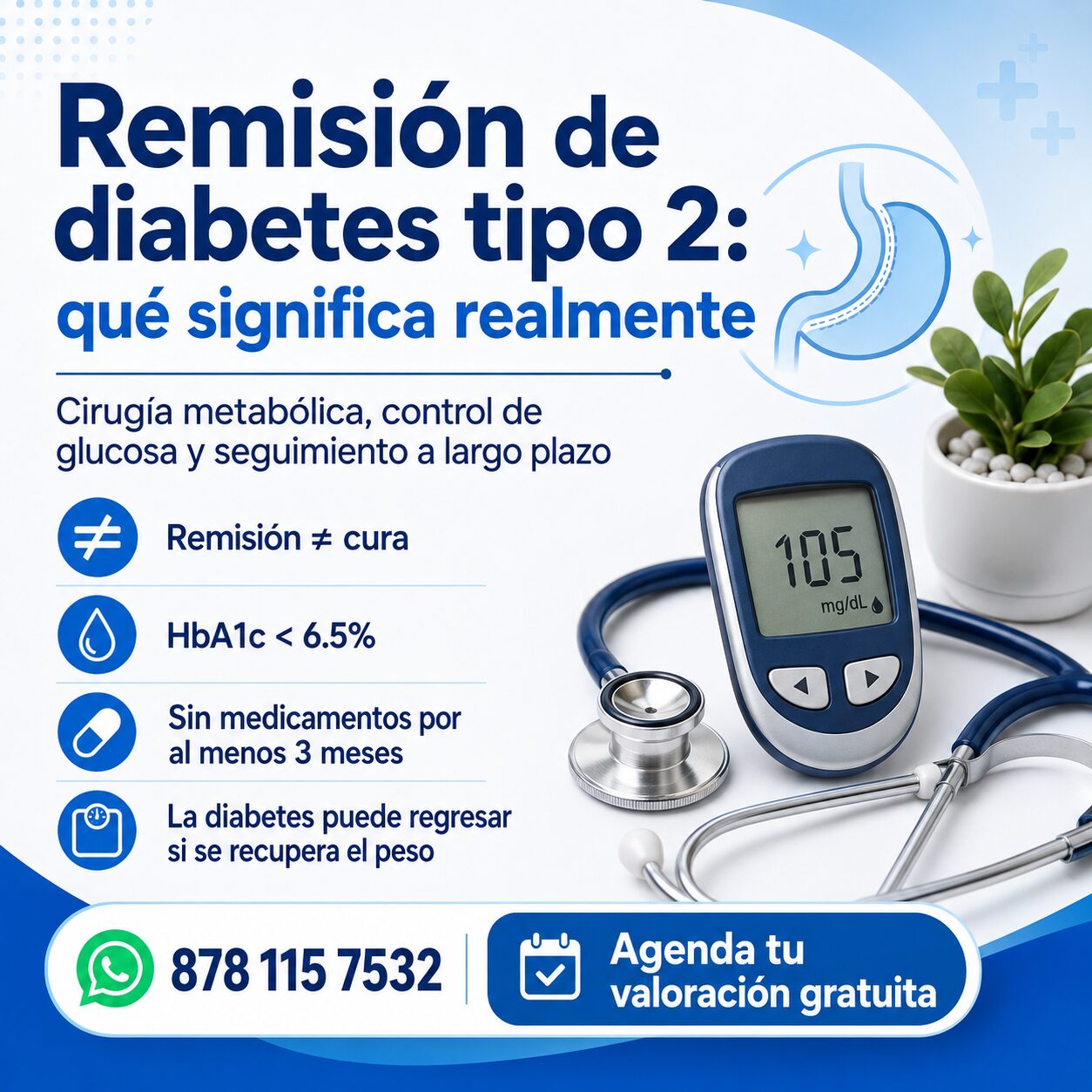
First of all: in medicine we talk about «remission,» not «cure.» And the difference is not just in words. According to the consensus of the American Diabetes Association (ADA) Published in 2021, a person is considered to be in remission when their glycosylated hemoglobin (HbA1c) remains below 6.5% for at least Three months without taking medication to lower the glucose level. In other words: normal sugar levels, without pills or insulin. It is an extraordinary result, but it must be taken care of, because diabetes can return if the weight is regained.
What is metabolic surgery and how is it different from bariatric surgery?
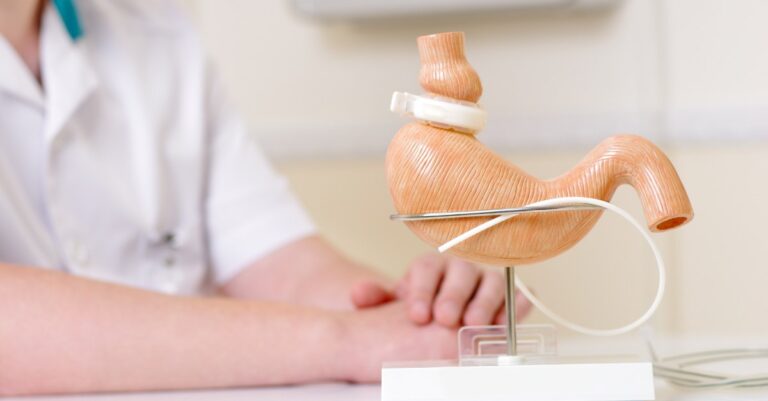
Many people think that bariatric surgery is only «for losing weight,» as if it were a cosmetic issue. The reality is different. When a surgery like bariatric surgery is performed, the patient loses weight and improves their health. gastric sleeve or gastric bypass It is carried out with the aim of controlling diseases such as type 2 diabetes, we are talking about metabolic surgery. It is the same operation, but with a different goal: not just weight loss, but complete metabolic health.
This is not a new or experimental idea. The world's leading diabetes organizations, including the ADA, now recognize metabolic surgery as a valid treatment option for people with type 2 diabetes, even in patients with moderate obesity (body mass index between 30 and 35). That is, it has ceased to be seen as «the last resort» to become a serious and evidence-backed tool.
Why metabolic surgery can achieve diabetes remission?
This is where the topic becomes fascinating. For years it was thought that the improvement in diabetes after surgery was solely due to weight loss. Today we know that it is more complex and, in part, that is why it works so well. Research indicates that several mechanisms are involved at the same time:
- Weight loss: As body fat is reduced, especially in the abdomen and liver, the body responds better to insulin (improves «insulin sensitivity»).
- Intestinal hormones: After surgeries like bypass surgery, food reaches the end of the intestine more quickly, which triggers the release of hormones like GLP-1 — the same pathway as Ozempic-type medications. That increase in GLP-1 helps produce insulin and lower glucose levels after eating.
- Pancreas recovery: Studies suggest that the cells of the pancreas responsible for producing insulin (beta cells) can regain some of their function.
- Other changes: Bile acids are also modified, as is low-grade inflammation and even the intestinal flora (microbiome), which together favor better sugar control.
The interesting thing is that many of these changes begin in the first few days after surgery, even before the patient has lost a lot of weight. That explains why some people leave the hospital needing much less insulin than when they entered.
What does the evidence say about remission rates?
One of the most recent and most well-researched studies on this topic is ARMMS-T2D, published in 2024, which brought together patients from several clinical trials to compare metabolic surgery with medical and lifestyle treatment in people with type 2 diabetes and obesity. 12 years In the follow-up study, the results were conclusive: the 18.2% of the patients underwent surgery He was still in remission from his diabetes, compared to only 6.2% of those who received medical treatment. In addition, the 54% Of the surgery group, hemoglobin glycated below 7% (versus 27% in the medical group), with an average weight loss of 20% compared to 8%.
I want to be clear and cautious with these numbers, as I am in my consultations. Not all patients achieve remission, and the results vary depending on how long a person has had diabetes, how well they are controlled, and whether they still produce their own insulin. In general, those with fewer years of disease and better pancreatic function are more likely to enter remission. That is why individual assessment is so important: it’s not about promising numbers, but about seeing your actual case.
Surgery is a powerful tool, but it doesn't work alone.
Something I repeat in every consultation: metabolic surgery opens up a huge window of opportunity, but that window must be taken advantage of. Type 2 diabetes remission is achieved and, above all, maintained when the patient works as a team. That’s why the nutritionist, who reorders your diet, and the psychologist, who accompanies you in your habits and in your relationship with food, are also involved in the process.
Diabetes and obesity are diseases, not failures of will. You deserve clear information, dignified treatment, and a realistic plan, without exaggerated promises. Surgery can change your life, but true success comes from long-term follow-up.
Surgery for diabetes in Piedras Negras, near Eagle Pass, Texas
In my practice in Piedras Negras, Coahuila, I frequently see patients from Mexico and Texas who are seeking accessible and quality metabolic surgery to treat their type 2 diabetes. We are just 15 minutes from Eagle Pass, which makes it easy to travel for an evaluation for those living on the U.S. side of the border.
Beyond the location, what really matters is the support: a serious team, long-term follow-up, and a plan tailored to your case. If you live with diabetes and obesity in the border region — from Coahuila or southern Texas — and you want to know if you are a candidate for remission, an evaluation is the best first step.
Frequently asked questions about diabetes remission and metabolic surgery
Does metabolic surgery cure diabetes?
In medicine, we talk about remission, not cure. Many patients achieve normal blood sugar levels without medication, but diabetes can return if weight is regained. That’s why long-term follow-up is key.
What does it mean to be in «remission» of type 2 diabetes?
According to the 2021 ADA consensus, it is to maintain a glycosylated hemoglobin (HbA1c) level below 6.5% for at least three months without taking any medications for glucose.
Do all patients with diabetes achieve remission with surgery?
No. Results vary. Those who have been living with diabetes for a shorter time and maintain better pancreatic function are more likely to experience remission. An individual assessment allows us to estimate your case realistically.
Does gastric sleeve surgery work the same as bypass surgery for diabetes?
Both can help control diabetes; studies show good results with both techniques. The best option depends on your weight, health, and individual case, which is determined during an appointment.
Do I need to be severely obese to be a candidate?
Not necessarily. Organizations like the ADA now consider metabolic surgery even in people with moderate obesity (BMI of 30 to 35) who have difficult-to-control diabetes.
Schedule your free assessment
If you live with type 2 diabetes and obesity or overweight, and you're wondering if it's metabolic surgery It could help you reach remission; the next step is simple: a valuation to review your case honestly. Book your free assessment here or write to me on WhatsApp at 878 115 7532. I am Dr. Cristóbal Garza, a bariatric and metabolic surgeon in Piedras Negras, Coahuila, 15 minutes from Eagle Pass, Texas.
Medical advice: This content is for informational and educational purposes and does not replace medical consultation. Diabetic remission is not guaranteed and results vary in each patient. Any changes in your diabetes treatment should be evaluated and supervised by your doctor.

Dr. Cristobal Garza
I am a bariatric surgeon certified by the Mexican College of Obesity Surgery. Over the last 10 years, I have helped more than 3,500 patients overcome their obesity and live a happier, healthier life.